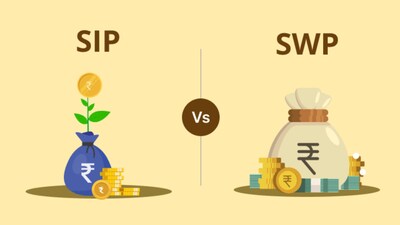

SIP vs STP: Master Smart Investing for Long-Term Wealth & Avoid Market Timing Risk

Business
N
News18•08-01-2026, 11:59
SIP vs STP: Master Smart Investing for Long-Term Wealth & Avoid Market Timing Risk
- •SIPs (Systematic Investment Plans) allow regular, fixed contributions to mutual funds, leveraging rupee cost averaging and compounding for long-term wealth.
- •STPs (Systematic Transfer Plans) involve moving a lump sum from a low-risk fund (e.g., debt) to a higher-risk fund (e.g., equity) gradually.
- •Both SIPs and STPs help mitigate market timing risk by spreading investments across different market levels.
- •Capital gains tax on SIPs is calculated using FIFO; long-term gains apply after 12 months for equity and 24 months for non-equity funds.
- •Experts recommend combining SIPs with STPs for retail investors to optimize returns and manage risk effectively.
Why It Matters: SIPs and STPs are crucial strategies for disciplined, long-term wealth creation, mitigating market timing risk.
✦
More like this
Loading more articles...