Sky's Changing Colors: Unraveling the Science Behind Blue, Red, and Black Skies
Sky's Changing Colors: Unraveling the Science Behind Blue, Red, and Black Skies
- •The sky's color changes due to the interaction between sunlight and Earth's atmosphere, a phenomenon called Scattering.
- •Sunlight, though appearing white, is a mix of seven colors; blue and violet have the shortest wavelengths, while red has the longest.
- •Rayleigh Scattering explains why the sky is blue: short-wavelength blue light scatters most when hitting atmospheric particles.
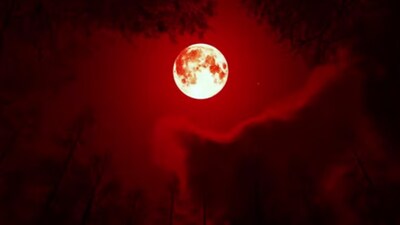
- •The sky appears red in the evening because blue light scatters and dissipates over longer atmospheric distances, allowing only red and orange light to reach our eyes.
- •In space, the sky is black due to the absence of an atmosphere and particles to scatter light, making Earth's blue sky an atmospheric illusion.