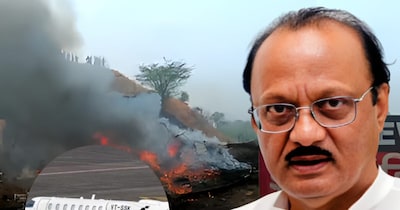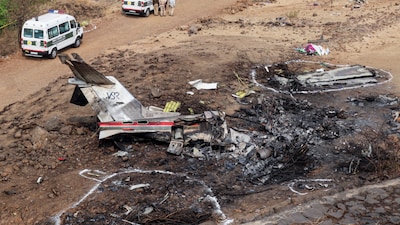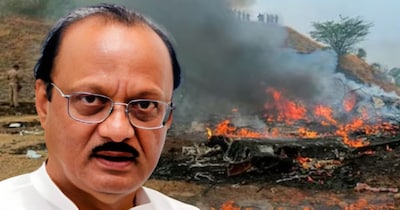

Weather: The Silent Villain in Plane Crashes; Why Takeoff and Landing are Riskiest
N
News18•28-01-2026, 13:42
Weather: The Silent Villain in Plane Crashes; Why Takeoff and Landing are Riskiest
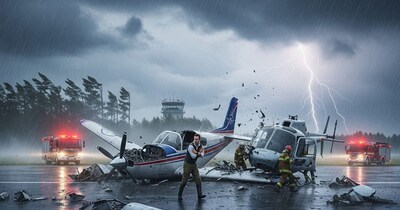
- •Adverse weather significantly impacts aircraft visibility, stability, engine performance, and pilot judgment, making it a primary cause of accidents.
- •Over 70% of air accidents occur during takeoff and landing, phases that constitute only 5-6% of total flight time, due to heightened vulnerability.
- •Low visibility from fog, heavy rain, dust storms, and snowfall, along with sudden wind shear, destabilizes aircraft, especially during critical flight phases.
- •Helicopters are more susceptible to weather-related accidents due to low-altitude flying, hilly terrain, and limited radar coverage, as seen in Kedarnath and Siachen.
- •Despite advanced technology like ILS and weather radars, unpredictable weather, human judgment limitations, and air traffic pressure still contribute to accidents.
Why It Matters: Bad weather is a major factor in plane crashes, especially during takeoff and landing, despite technological advancements.
✦
More like this
Loading more articles...