
India-EU FTA: Unpacking the Landmark Trade Deal's Winners and Losers
Economy
C
CNBC TV18•27-01-2026, 23:53
India-EU FTA: Unpacking the Landmark Trade Deal's Winners and Losers
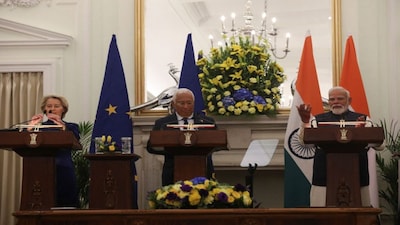
- •India and the EU have finalized a landmark free trade agreement, committing to extensive tariff reductions across most goods.
- •India will phase out duties on 96-97% of EU tariff lines, while the EU will open 98-99.5% of its tariff lines to Indian goods.
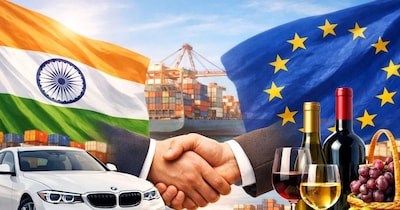
- •Sensitive sectors like automobiles and alcoholic beverages have specific provisions, including quota-based duty cuts for cars and phased reductions for spirits.
- •Labor-intensive sectors (textiles, gems, marine products) and medium-technology industries (chemicals, engineering) are expected to benefit significantly.
- •Key challenges include the EU's Carbon Border Adjustment Mechanism (CBAM) and the need for domestic reforms and regulatory clarity in India.
Why It Matters: The India-EU FTA offers significant opportunities for exports and investment but faces challenges like CBAM and regulatory alignment.
✦
More like this
Loading more articles...