•Supreme Court permitted passive euthanasia for 32-year-old Harish Rana, in a persistent vegetative state for 13+ years, allowing withdrawal of life support.
•Euthanasia ends a person's life to relieve suffering; active euthanasia involves direct action (e.g., lethal injection), while passive euthanasia is withholding life-sustaining treatment.
•Active euthanasia is illegal in India, considered culpable homicide or murder; passive euthanasia is permitted under strict safeguards.
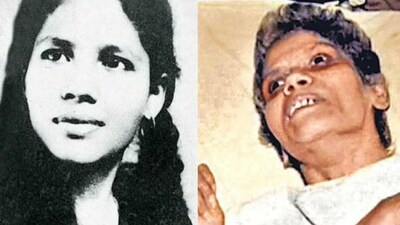
•India's legal stance evolved through landmark SC judgments: Aruna Shanbaug case (2011) allowed passive euthanasia, and Common Cause v. Union of India (2018) recognized "living wills" under Article 21.
•The ruling highlights the critical legal distinction between "killing" and "allowing natural death," emphasizing patient dignity and the right to die with dignity in specific cases.