
Makar Sankranti 2026: Unveiling the Ancient Roots of Kite Flying Tradition

Culture
C
CNBC TV18•12-01-2026, 18:51
Makar Sankranti 2026: Unveiling the Ancient Roots of Kite Flying Tradition
- •Makar Sankranti, observed mid-January, marks the Sun's shift into Makara Rashi (Capricorn) and the start of Uttarayan, signifying longer days and the end of winter's coldest phase.
- •Unlike most Indian festivals, Makar Sankranti follows a solar cycle, not a lunar one, influencing its timing and customs.
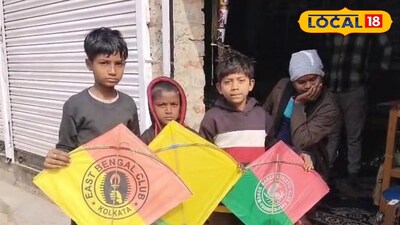
- •Kite flying, prominent in Gujarat, Rajasthan, and Maharashtra, is linked to seasonal benefits (sun exposure for health) and symbolic gestures (respect to Surya, the Sun God).
- •The International Kite Festival in Ahmedabad, Gujarat, since 1989, highlights the festival's cultural significance.
- •Regional variations include Lohri in Punjab, Pongal in Tamil Nadu, and Bhogi in Andhra Pradesh and Telangana, with pilgrimages to Varanasi, Haridwar, Rishikesh, and Gangasagar.
Why It Matters: Makar Sankranti's kite flying tradition blends seasonal health benefits with symbolic reverence for the Sun God.
✦
More like this
Loading more articles...