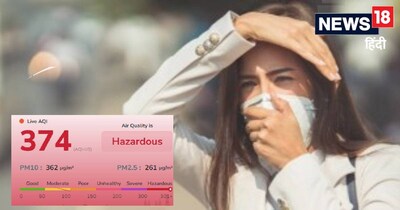

Polluted Air Worsens Period Pain: High AQI Linked to 33x Higher Dysmenorrhea Risk

Lifestyle
N
News18•21-12-2025, 16:00
Polluted Air Worsens Period Pain: High AQI Linked to 33x Higher Dysmenorrhea Risk
- •High AQI significantly increases the risk of dysmenorrhea, or severe menstrual pain, turning it into a public health issue.
- •A 2021 study in Frontiers in Public Health found long-term air pollutant exposure can raise dysmenorrhea risk by up to 33 times.
- •PM2.5 particles cause inflammation, hormonal imbalances, and augmented uterine contractions, leading to more severe cramping.
- •Indian cities like Delhi face "severe to hazardous" AQI, exceeding safety limits and mirroring conditions linked to increased pain.
- •Women can monitor AQI, use N95 masks, reduce indoor pollution, seek medical advice, and adopt healthy lifestyle habits.
Why It Matters: High AQI significantly worsens menstrual pain, making it a critical public health concern for women.
✦
More like this
Loading more articles...